


How to Stop Shoes from Blistering: A Complete Prevention Guide

Few things derail a good walk faster than a hot, stinging blister. Whether you've just laced up a brand-new pair or you're several miles into a long day on your feet, shoe blisters are one of the most common foot complaints—and one of the most preventable. The good news is that with the right fit, the right socks, and a little foot care, most blisters never have to form in the first place. This guide breaks down why blisters happen and exactly how to stop them from shoes.
Why Do Shoes Cause Blisters?
A blister is your skin's defense mechanism. When the outer layers of skin are repeatedly rubbed against, they begin to separate, and fluid collects in the gap to cushion the damaged tissue. Blisters from shoes are often caused by friction between the skin and the shoe surface. Decades of dermatology research point to the same culprit: friction blisters form where there are high frictional forces combined with repetitive back-and-forth motion (Naylor, 1955; Knapik et al., 1995).
Several factors push that friction past the danger threshold:
- Poor fit. Shoes that are too tight squeeze and rub against the skin, while shoes that are too loose let the foot slide around with every step. Both create the shear forces that lead to blisters.
- Excess rubbing at pressure points. The heel, the toes, and the sides of the foot take the most abuse, especially during long walks or runs.
- New, un–broken-in shoes. Stiff materials that haven't yet softened to the shape of your foot rub harder against the skin.
- Moisture and sweat. Damp skin is softer and more vulnerable. Moisture buildup inside shoes can increase friction and contribute to blister formation—studies on skin friction show that lightly moist skin actually grips surfaces more than dry skin, raising the friction load right when your feet are working hardest.
- The wrong sock or shoe materials. Rough seams, non-breathable fabrics, and stiff linings all add irritation.
How to Prevent Blisters
Prevention comes down to managing three things: fit, friction, and moisture. Here's how to tackle each.
1. Get the Right Fit
This is the single most important step. Wearing properly fitted shoes is one of the most effective ways to prevent blistering. Your shoes should hold the heel snugly without pinching, and leave roughly a thumb's width of space in front of your longest toe. Shop in the late afternoon, when feet are at their largest, and always try shoes on with the socks you actually plan to wear.
2. Wear the Right Socks
Socks are your first line of defense against friction. Choose moisture-wicking socks over plain cotton, which holds sweat against the skin. Using moisture-wicking socks helps reduce rubbing and keeps feet dry. Construction matters too: seamless or padded socks can reduce pressure points and improve comfort during walking. Research on runners found that synthetic, padded socks produced noticeably fewer blisters than standard cotton ones (Herring & Richie, 1990).
3. Break In New Shoes Gradually
Resist the urge to wear new shoes straight into a long day or a big event. Breaking in new shoes gradually can help the material adapt to foot shape and reduce irritation. Wear them for an hour or two around the house, then extend the time over several days before relying on them for serious mileage.
4. Use Blister-Prevention Products
When you know a spot tends to rub, protect it before trouble starts. Applying blister prevention patches or tape can protect high-friction areas of the foot. Hydrocolloid patches, moleskin, and anti-friction balms or sticks all create a smooth barrier between your skin and the shoe.
5. Keep Your Feet Dry
Since moisture amplifies friction, dryness is your ally. Use breathable socks and shoes, change socks if they get sweaty on long outings, and consider a light foot powder or antiperspirant on blister-prone areas to cut down on dampness.
What to Look for in Blister-Friendly Shoes
The shoe itself can do a lot of the work for you. When you're shopping, prioritize:
- A cushioned sole to absorb impact and reduce the repetitive shear that wears at skin.
- A wide toe box so toes can splay naturally instead of being squeezed together—a major source of rubbing for anyone with wider feet, bunions, or hammertoes.
- A flexible, well-padded heel rather than a stiff, rigid heel counter that saws against the Achilles.
- Breathable materials like knit or mesh uppers that let sweat escape and keep the interior dry.
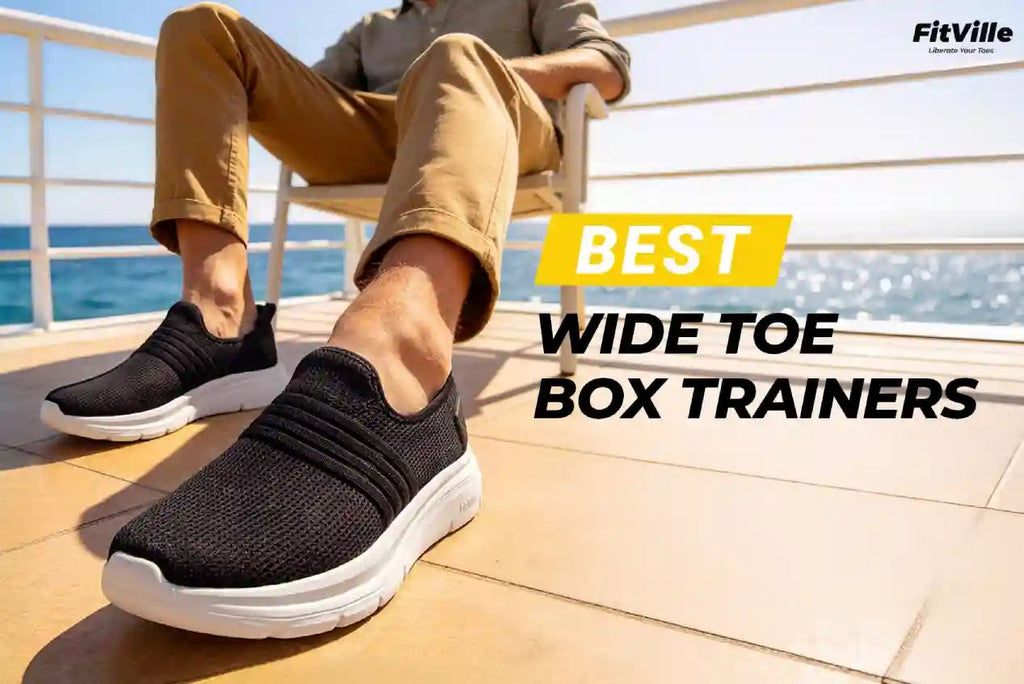
Recommended Shoe: FitVille Men's Cloud Strider V3
If you're looking for a pair built around exactly these principles, FitVille is worth a look. Founded in 2018, FitVille is a wide-fit and orthopedic comfort footwear brand designed around a simple idea: everyone deserves pain-free movement, including people with wider feet or sensitive foot conditions.
The FitVille Men's Cloud Strider V3 checks nearly every box on the blister-prevention list:
- Roomy toe box in Wide (2E) and Extra Wide (4E) lets your toes spread naturally, reducing the friction and pressure that cause blisters on the toes and sides of the foot.
- A 5cm extra-thick cushioned EVA sole absorbs shock and softens the repetitive impact that wears down skin over a long day.
- A breathable knit upper keeps airflow moving so feet stay cooler and drier inside the shoe.
- A soft, padded interior with ArchCore insoles smooths out potential pressure points and adds support without rough seams.
- A near-zero break-in period, so you skip the painful adjustment phase where stiff new shoes typically cause the most rubbing.
With a 4.48 out of 5 rating across more than 240 reviews, it's a strong everyday option for walkers and runners who want comfort straight out of the box.

Already Have a Blister? Here's What to Do
If a blister has already formed, careful treatment helps it heal and prevents infection:
- Protect the area with a sterile bandage or hydrocolloid patch.
- Stop the rubbing—change shoes or add padding around the spot to take pressure off it.
- Keep it clean and dry to support healing.
- Don't pop it. An intact blister is a sterile barrier against infection. If a large one breaks on its own, gently clean it, leave the overlying skin in place, and cover it. If you see spreading redness, warmth, or pus, see a healthcare professional.
Conclusion
Stopping shoe blisters is all about fit, friction control, and proper footwear choice. Proper shoe fit, material choice, and foot care can significantly reduce the risk of shoe-related blisters. Choose shoes that match the shape of your foot, pair them with moisture-wicking socks, ease into new pairs, and protect the hot spots you already know about. Get those basics right and comfortable shoes mean fewer blisters and more freedom to move—every single step.
References
- Naylor, P. F. D. (1955). The skin surface and friction. British Journal of Dermatology, 67(7), 239–248.
- Knapik, J. J., Reynolds, K. L., Duplantis, K. L., & Jones, B. H. (1995). Friction blisters: pathophysiology, prevention and treatment. Sports Medicine, 20(3), 136–147. PubMed
- Herring, K. M., & Richie, D. H. (1990). Friction blisters and sock fiber composition: a double-blind study. Journal of the American Podiatric Medical Association, 80(2), 63–71.
- Rushton, R., & Richie, D. (2024). Friction blisters of the feet: a critical assessment of current prevention strategies. Journal of Athletic Training, 59(1), 8–21. PubMed
Note: This article is for general informational purposes and is not a substitute for professional medical advice. FitVille footwear is designed for comfort and support and is not intended to diagnose or treat any medical condition.
About FitVille Footwear
Just Follow us on LinkedIn, Facebook, YouTube, Instagram, RSS feed and Pinterest to catch our brand news.



What FitViller Prefers
Best Shoes to Buy

Popular Men's Shoes
Popular Women's Shoes
