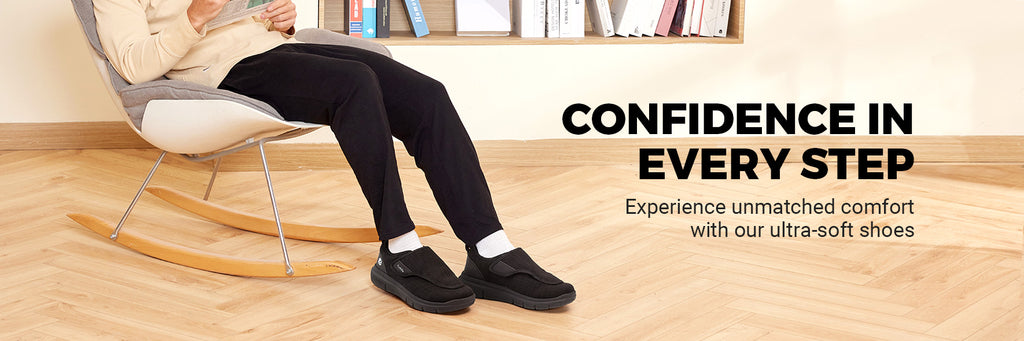
Plantar fasciitis is one of the most common causes of heel pain, affecting runners, walkers, people who stand for long hours, and anyone with poor foot mechanics. If you're searching for relief, you've probably come across wide toe box shoes as a recommended option. But are they actually good for plantar fasciitis?
The short answer is yes—wide toe box shoes can be beneficial, but only when combined with proper arch support, cushioning, and overall stability. A roomy toe box alone won't cure plantar fasciitis, but it can reduce pressure on your feet and help create a healthier walking pattern.
Below are the most frequently asked questions about wide toe box shoes and plantar fasciitis.
What Is Plantar Fasciitis?
Plantar fasciitis occurs when the plantar fascia—a thick band of tissue connecting your heel bone to your toes—becomes irritated or inflamed. This tissue supports your arch and absorbs shock during movement.
Common symptoms include:
- Sharp heel pain, especially during the first steps in the morning
- Pain after long periods of sitting
- Heel discomfort after exercise
- Tightness in the arch of the foot
- Increased pain after standing for extended periods
Footwear plays a significant role in both preventing and managing these symptoms.
Are Wide Toe Box Shoes Good for Plantar Fasciitis?
Yes. Wide toe box shoes can help relieve plantar fasciitis by allowing your toes to spread naturally. This improves balance, reduces pressure on the forefoot, and promotes more natural weight distribution across the foot.
However, the toe box is only one part of the equation. The best shoes for plantar fasciitis should also include:
- Strong arch support
- Cushioned midsoles
- Shock absorption
- Stable heel support
- Durable outsole traction
A shoe with a wide toe box but no support may actually worsen symptoms.
How Does a Wide Toe Box Help Plantar Fasciitis?
A wider toe box offers several advantages for people dealing with heel pain.
Promotes Natural Toe Alignment
When your toes have room to spread, they help stabilize your body during walking and standing. Better alignment reduces unnecessary strain on the plantar fascia.
Reduces Forefoot Pressure
Narrow shoes squeeze the toes together, creating pressure that can alter your gait. Wide toe box shoes minimize compression and encourage a more balanced stride.
Improves Weight Distribution
A broader base allows body weight to be distributed more evenly across the foot instead of concentrating stress on the heel.
Increases Comfort During Long Hours
Whether you're walking, working, or traveling, extra toe space reduces fatigue and helps prevent additional foot discomfort.
Can Wide Toe Box Shoes Cure Plantar Fasciitis?
No.
Shoes cannot cure plantar fasciitis, but they can significantly reduce symptoms and support recovery.
Successful treatment usually includes:
- Supportive footwear
- Stretching exercises
- Calf and plantar fascia strengthening
- Ice therapy
- Activity modification
- Orthotic insoles when necessary
Good shoes simply create an environment that allows your feet to heal more comfortably.
Should I Choose Wide Toe Box Shoes with Arch Support?
Absolutely.
Arch support is one of the most important features for plantar fasciitis.
Proper arch support helps:
- Reduce tension on the plantar fascia
- Improve foot alignment
- Prevent excessive pronation
- Decrease heel impact
- Improve walking efficiency
The ideal shoe combines a roomy toe box with structured arch support rather than sacrificing one for the other.
Are Extra Wide Shoes Better Than Regular Wide Shoes?
It depends on your feet.
Extra wide shoes (2E, 4E, or 6E) are helpful if you have:
- Naturally wide feet
- Swollen feet
- Bunions
- Hammertoes
- Diabetes-related foot changes
- Orthotics that require additional space
If your feet are average width, standard wide shoes may provide enough room without compromising stability.
What Features Should I Look for Besides a Wide Toe Box?
When shopping for plantar fasciitis shoes, consider the entire design.
Look for shoes with:
- Wide toe box
- Firm arch support
- Cushioned heel
- Shock-absorbing midsole
- Deep heel cup
- Rocker sole (optional)
- Lightweight construction
- Slip-resistant outsole
- Breathable upper
These features work together to reduce stress throughout the foot.
Are Minimalist Wide Toe Box Shoes Good for Plantar Fasciitis?
Usually not during active pain.
Many minimalist shoes have:
- Very thin soles
- Little cushioning
- No arch support
Although they often feature wide toe boxes, they may increase stress on the plantar fascia if your feet are not already strong and conditioned.
If you're recovering from plantar fasciitis, supportive wide toe box shoes are generally the safer choice.
Can Wide Toe Box Shoes Help People Who Stand All Day?
Yes.
Workers such as:
- Nurses
- Teachers
- Retail employees
- Warehouse workers
- Healthcare professionals
- Restaurant staff
often experience plantar fasciitis due to prolonged standing.
Wide toe box shoes combined with cushioning and supportive midsoles can improve comfort throughout long shifts by reducing pressure and fatigue.
Should I Wear Orthotics with Wide Toe Box Shoes?
Yes, if recommended.
Wide toe box shoes often provide extra interior space that accommodates custom or over-the-counter orthotics without making the shoe feel tight.
Orthotics can provide:
- Additional arch support
- Heel cushioning
- Improved alignment
- Better pressure distribution
Together, supportive shoes and orthotics often provide greater relief than either one alone.
Can Wide Toe Box Shoes Prevent Plantar Fasciitis?
They may help lower your risk, especially when paired with supportive construction.
They encourage healthier foot mechanics by:
- Allowing natural toe movement
- Improving stability
- Reducing pressure points
- Supporting better posture
- Minimizing excessive strain on the plantar fascia
While no shoe can completely prevent plantar fasciitis, proper footwear is one of the most effective preventive measures.
How Do I Know If My Shoes Are Too Narrow?
Your shoes may be too narrow if you notice:
- Toes rubbing against the sides
- Tingling or numbness
- Blisters between the toes
- Bunion irritation
- Foot fatigue after walking
- Cramped toe movement
A properly fitted wide toe box should allow your toes to spread comfortably without feeling loose.
Are Wide Toe Box Shoes Good for Running with Plantar Fasciitis?
Yes, provided they also offer adequate support.
Running shoes for plantar fasciitis should include:
- Responsive cushioning
- Stable heel support
- Supportive arch structure
- Wide toe box
- Durable outsole
- Smooth heel-to-toe transition
Runners should replace worn-out shoes regularly, as compressed midsoles lose their ability to absorb impact.
Final Thoughts
Wide toe box shoes can be an excellent choice for people with plantar fasciitis because they allow natural toe movement, improve stability, and reduce unnecessary pressure on the foot. However, toe space alone isn't enough. The most effective plantar fasciitis shoes combine a roomy toe box with supportive arches, cushioning, heel stability, and shock absorption.
If you're experiencing persistent heel pain, choosing well-designed supportive footwear can make everyday walking more comfortable and may aid recovery when combined with stretching, strengthening exercises, and appropriate medical advice. Investing in shoes that support your entire foot—not just your toes—is one of the smartest steps you can take toward long-term foot health.