


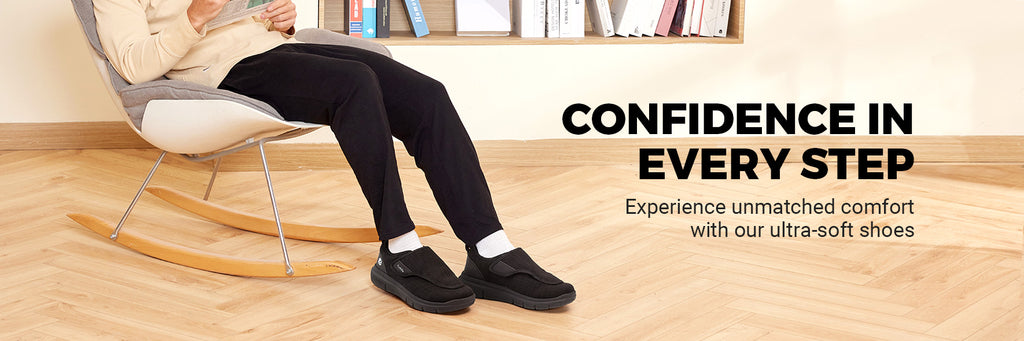
FAQs: Can the Right Shoes Relieve Arthritis in Feet?
Foot arthritis can make everyday activities such as walking, standing, shopping, or exercising uncomfortable. Stiff joints, swelling, tenderness, and changes in foot shape can also make finding comfortable footwear more difficult.
This leads to a common question: Can the right shoes relieve arthritis in feet?
The answer is that the right footwear may help reduce discomfort and make walking easier, but shoes cannot cure arthritis or reverse joint damage. A well-fitting pair can reduce unnecessary pressure, improve cushioning, provide stability, and accommodate changes in foot shape.
In this FAQ guide, we'll explain how footwear may help people with arthritis and what features to look for when choosing comfortable shoes.
Can the Right Shoes Relieve Arthritis in Feet?
The right shoes may help relieve some arthritis-related foot discomfort by reducing pressure on sensitive areas and making walking more comfortable.
A suitable shoe can provide:
-
Adequate cushioning
-
Shock absorption
-
A roomy toe box
-
Appropriate width
-
Stable support
-
Secure heel fit
-
Comfortable flexibility
-
Good traction
However, footwear should be viewed as a way to manage symptoms and improve comfort, rather than as a treatment that eliminates arthritis.
Can Shoes Cure Arthritis in the Feet?
No.
Arthritis involves changes within the joints, and shoes cannot cure or reverse the underlying condition.
However, appropriate footwear can make daily activities more comfortable. By reducing pressure and improving the way your foot interacts with the ground, the right shoes may help you stay active and manage symptoms.
If pain is persistent or worsening, footwear changes should not replace professional medical evaluation.
How Can the Right Shoes Help Arthritis?
Shoes can affect how pressure and forces are distributed through your feet when you walk.
A well-designed shoe may help by:
Reducing Pressure
A spacious toe box and suitable width can prevent the shoe from pressing against painful joints.
Absorbing Impact
Cushioned midsoles can help absorb some of the impact associated with walking.
Improving Stability
A stable sole can provide a secure platform and may make walking feel more controlled.
Supporting the Foot
A suitable footbed can provide additional support without creating uncomfortable pressure.
Accommodating Swelling
Adjustable shoes can provide additional room when feet become swollen during the day.
What Features Should Arthritis-Friendly Shoes Have?
There is no single perfect shoe for everyone with arthritis, but several features can improve comfort.
Look for:
-
Wide or roomy toe box
-
Appropriate shoe width
-
Adequate depth
-
Comfortable cushioning
-
Shock-absorbing sole
-
Stable construction
-
Secure heel
-
Adjustable closure
-
Smooth interior
-
Good traction
The most important feature is still proper fit.
Are Wide Shoes Better for Arthritis?
Wide shoes can be beneficial if your feet are naturally wide or if arthritis has caused changes in foot shape.
A wider shoe provides more space around the forefoot and may reduce pressure on sensitive joints.
However, the shoe shouldn't be excessively wide. If your foot moves around too much, the additional movement can create friction and reduce stability.
The goal is to find the right width, not simply the widest shoe available.
Is a Wide Toe Box Important?
Yes.
A wide toe box allows the toes to spread naturally and reduces compression.
This can be especially useful when arthritis affects the big toe or other joints in the forefoot.
Avoid shoes with narrow, pointed toe boxes that squeeze the toes together.
Can Extra-Wide Shoes Help Arthritis?
Extra-wide footwear may be useful for people whose feet require significantly more room than standard shoes provide.
This can be particularly helpful if you experience:
-
Wide forefeet
-
Swollen feet
-
Changes in foot shape
-
Pressure from conventional shoes
-
Difficulty fitting standard footwear
However, extra-wide shoes should still hold the heel and midfoot securely.
Are Cushioned Shoes Good for Arthritis?
Cushioning can make walking more comfortable by reducing the impact felt by the feet.
This may be particularly useful when walking on hard surfaces such as concrete or pavement.
However, excessive softness can sometimes make a shoe feel unstable. Look for a balance between cushioning and stability.
Can a Firm Sole Help Arthritis?
A relatively firm sole may help some people, especially when movement through painful joints is uncomfortable.
A firmer sole can provide a stable platform and may reduce excessive movement through parts of the foot.
However, there is no universal rule that firmer is better. The ideal sole depends on your symptoms, affected joints, walking pattern, and personal comfort.
Are Rocker Shoes Good for Arthritis?
Rocker-style soles have a curved shape that helps the foot roll forward during walking.
For some people with arthritis, this design may reduce the amount of movement required at certain joints.
Rocker shoes can be particularly interesting for people who experience pain during the push-off phase of walking.
However, they alter normal walking mechanics and can feel unusual at first. They may also feel less stable for some people.
If you're considering rocker shoes specifically for arthritis, professional advice can help determine whether they're appropriate for your needs.
Can Shoes Help Arthritis in the Big Toe?
They may.
Arthritis in the big toe can make the push-off phase of walking painful.
Shoes with a roomy toe box can reduce pressure around the joint. Some people may also find a relatively stiff sole or rocker construction more comfortable because it can limit painful movement of the big toe.
If big-toe pain is persistent, discuss suitable footwear with a healthcare professional.
Can Shoes Help Arthritis in the Midfoot?
Appropriate footwear may help reduce discomfort associated with midfoot arthritis.
A stable sole and adequate cushioning can provide a supportive base for walking.
Look for:
-
Stable construction
-
Comfortable cushioning
-
Controlled flexibility
-
Appropriate width
-
Secure fit
The shoe should support the foot without creating pressure over the painful area.
Can Shoes Help Arthritis in the Heel?
If arthritis affects the rearfoot or walking is uncomfortable because of impact, cushioning may be particularly important.
A shoe with good heel cushioning and a stable outsole can provide a more comfortable base for everyday walking.
However, persistent heel pain should be evaluated because it can have causes other than arthritis.
Are Walking Shoes Good for Arthritis?
Walking shoes can be a practical choice for people with foot arthritis.
Many models combine cushioning, support, stability, and lightweight construction.
When choosing walking shoes, look beyond the label and assess:
-
Toe box
-
Width
-
Depth
-
Cushioning
-
Sole stability
-
Heel fit
-
Traction
A walking shoe is only helpful if it fits your individual feet properly.
Are Running Shoes Good for Arthritis?
Many running shoes provide substantial cushioning and shock absorption.
Some can be comfortable for everyday walking, especially on hard surfaces.
However, running shoes vary considerably. Some prioritize flexibility, while others emphasize cushioning or stability.
Choose a model based on your foot shape, symptoms, and intended activity rather than assuming every running shoe will be suitable.
Are Orthopedic Shoes Better for Arthritis?
Orthopedic-style shoes can be useful for some people because they may provide additional room, support, cushioning, or adjustability.
However, the term "orthopedic" doesn't automatically mean that a particular shoe is suitable for your feet.
Look at the actual construction and fit rather than relying only on the product description.
If you have significant foot deformities or require specialized footwear, professional assessment may be appropriate.
Are Slip-On Shoes Suitable for Arthritis?
Slip-on shoes can be convenient if bending down or tying laces is difficult.
They should still provide a secure fit.
Look for slip-ons with:
-
Supportive soles
-
Secure heel area
-
Roomy toe box
-
Flexible upper
-
Good cushioning
Avoid excessively loose slip-ons that allow your feet to slide around.
Are Adjustable Shoes Helpful?
Yes.
Adjustable shoes can be especially useful when your feet swell or change in volume throughout the day.
Laces, hook-and-loop straps, and other adjustable closures allow you to modify the fit.
This can help prevent the shoe from becoming unnecessarily tight.
Can Shoes Reduce Arthritis-Related Swelling?
Shoes cannot directly treat the underlying cause of arthritis-related swelling.
However, properly fitted footwear can avoid adding unnecessary compression.
A wide, adjustable shoe may feel more comfortable when the feet are swollen than a rigid, narrow shoe.
If swelling is severe, persistent, sudden, or accompanied by other symptoms, seek appropriate medical advice.
How Should Shoes Fit If I Have Arthritis?
A good-fitting shoe should provide enough room without allowing excessive movement.
Check that:
-
Your toes can move freely
-
The longest toe doesn't touch the front
-
The forefoot isn't squeezed
-
The upper doesn't press on painful joints
-
The heel stays relatively secure
-
The shoe doesn't cause rubbing
-
The sole feels stable
Don't rely solely on your usual shoe size. Different brands and styles can fit very differently.
Should I Buy Shoes Later in the Day?
It can be useful to try shoes later in the day because feet may become slightly larger after standing and walking.
This is particularly relevant if your feet tend to swell.
Wear your normal socks and any orthotic inserts when trying shoes.
Try both shoes and walk around for several minutes before deciding whether the fit is comfortable.
Can the Wrong Shoes Make Arthritis Pain Worse?
Poorly fitting shoes can contribute to discomfort.
Shoes that are too narrow, too shallow, excessively flexible, poorly cushioned, or unstable may place additional stress or pressure on sensitive areas.
Common warning signs include:
-
Joint pressure
-
Red marks
-
Blisters
-
Rubbing
-
Numbness
-
Increased pain while walking
-
Toe compression
If a shoe causes significant discomfort from the beginning, it is better to reconsider the fit rather than simply waiting for it to "break in."
Can Shoes Help Me Stay Active With Arthritis?
Comfortable footwear may make everyday movement easier.
Being able to walk more comfortably can help you continue appropriate activities and maintain mobility.
However, your activity level should be appropriate for your individual condition. If exercise consistently causes significant pain or swelling, seek professional guidance about suitable activities.
What Should I Avoid When Buying Arthritis Shoes?
Avoid choosing shoes solely based on appearance or brand.
Be cautious with:
-
Narrow toe boxes
-
Pointed toes
-
Very high heels
-
Hard, unyielding uppers
-
Poor cushioning
-
Unstable soles
-
Shoes that cause pressure points
-
Shoes that are difficult to adjust
A comfortable everyday shoe should prioritize fit and function.
How Long Does It Take to Get Used to New Shoes?
Some footwear may feel slightly different when you first wear it, especially if the sole has a different structure.
However, significant pain is not something you should simply tolerate while waiting for shoes to break in.
Start with shorter periods of wear and gradually increase use.
If discomfort, rubbing, or pressure continues, reconsider the fit or design.
Can Insoles Help With Arthritis?
For some people, suitable insoles may improve comfort or support.
If you use an orthotic insert, make sure the shoe has enough depth and width to accommodate it without squeezing your foot.
Custom orthotics should be used according to the recommendations of the healthcare professional who prescribed them.
Frequently Asked Questions
Can the right shoes relieve arthritis in the feet?
Yes, the right shoes may reduce discomfort by providing cushioning, reducing pressure, improving stability, and accommodating changes in foot shape. They cannot cure arthritis or reverse joint damage.
What type of shoes are best for foot arthritis?
Shoes with a roomy toe box, suitable width, comfortable cushioning, stable soles, and secure heel fit are often a good starting point.
Are wide shoes good for arthritis?
They can be, especially if standard shoes feel tight around the forefoot. The shoe should be wide enough to accommodate the foot without being excessively loose.
Are cushioned soles good for arthritis?
Yes. Cushioning can reduce the impact of walking, particularly on hard surfaces. However, excessive softness may compromise stability.
Are rocker soles good for arthritis?
They can help some people by reducing the amount of movement required at certain joints during walking. However, they alter walking mechanics and may not suit everyone.
Can shoes help arthritis in the big toe?
A roomy toe box can reduce pressure around the big toe joint. A stiffer or rocker-style sole may also be comfortable for some people.
Should arthritis shoes be loose?
No. They should provide enough room for comfort but still hold the foot securely. Excessive movement can cause friction and instability.
Can I wear sandals if I have arthritis?
Yes, provided they fit securely and offer appropriate cushioning, support, and room for the toes. Adjustable straps can be especially useful.
When should I see a doctor about arthritis foot pain?
Seek professional advice if pain is persistent, severe, worsening, or interfering with normal activities. Significant swelling or other unusual changes should also be evaluated.
Final Thoughts
So, can the right shoes relieve arthritis in the feet? They can certainly help manage discomfort for many people, although they cannot cure arthritis itself.
The most important features are proper fit, sufficient toe room, appropriate width, comfortable cushioning, adequate stability, and a secure fit. Depending on the affected joints, a firmer sole or rocker-style construction may also be worth considering.
Don't assume that the most expensive or most heavily cushioned shoe is automatically the best. The right shoe is the one that fits your individual foot shape, accommodates sensitive areas, and allows you to walk comfortably and confidently.
If arthritis pain continues despite wearing well-fitting footwear, speak with a qualified healthcare professional to explore other appropriate treatment and management options.


