


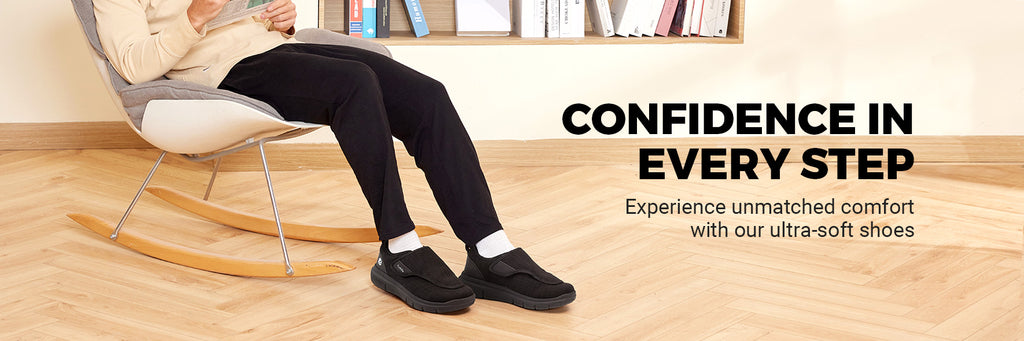
FAQs: What Features Should Shoes Have for Plantar Fasciitis?
Plantar fasciitis is one of the leading causes of heel pain, affecting millions of people worldwide. The condition occurs when the plantar fascia—a thick band of tissue that supports the arch of your foot—becomes irritated or inflamed. While treatments such as stretching, physical therapy, and rest can help, wearing the right shoes is essential for reducing discomfort and supporting recovery.
But what exactly should you look for when shopping for shoes? This FAQ answers the most common questions about the features that make shoes for plantar fasciitis.
What features should shoes have for plantar fasciitis?
The best shoes for plantar fasciitis should provide a combination of cushioning, support, stability, and comfort.
Look for shoes with these essential features:
-
Strong arch support
-
Cushioned midsoles
-
Shock-absorbing heel cushioning
-
Stable heel counter
-
Flexible forefoot
-
Wide, roomy toe box
-
Durable, supportive outsole
-
Proper fit without pressure points
These features work together to reduce strain on the plantar fascia and improve overall foot comfort.
Why is arch support important for plantar fasciitis?
Arch support helps maintain the natural alignment of your foot and reduces excessive stretching of the plantar fascia.
Without adequate support, the arch may collapse inward, increasing tension on the plantar fascia and causing more heel pain.
Good arch support can:
-
Distribute body weight more evenly
-
Reduce stress on the heel
-
Improve walking efficiency
-
Enhance overall comfort
People with both flat feet and high arches may benefit from shoes with supportive footbeds.
How much cushioning should shoes have?
Shoes for plantar fasciitis should have generous cushioning without feeling overly soft.
A well-cushioned midsole helps absorb impact during walking and standing, reducing pressure on the heel and the plantar fascia.
However, shoes that are too soft may lack stability, while shoes that are too firm may increase impact forces. A balanced level of cushioning is usually the best option.
Why is heel cushioning important?
Heel pain is the most common symptom of plantar fasciitis, making heel cushioning an essential feature.
A well-cushioned heel can:
-
Absorb shock during each step
-
Reduce pressure on sensitive tissues
-
Improve walking comfort
-
Help minimize repetitive impact
Many supportive walking and running shoes include extra heel padding for this reason.
What is a heel counter, and why does it matter?
The heel counter is the firm structure surrounding the back of the shoe.
A supportive heel counter helps:
-
Keep the heel properly aligned
-
Prevent excessive inward rolling of the foot
-
Improve overall stability
-
Reduce stress on the plantar fascia
A shoe with a firm heel counter generally offers better support than one with a soft, flexible heel.
Is a wide toe box important?
Yes. A wide toe box allows your toes to spread naturally while walking.
Benefits include:
-
Reduced pressure on the forefoot
-
Improved balance
-
Better overall comfort
-
Less friction and irritation
A cramped toe box can change your walking pattern and increase stress on other parts of the foot.
Should the sole be flexible or stiff?
A good shoe for plantar fasciitis should have a sole that is flexible in the forefoot but stable through the midfoot.
This design allows natural toe movement while maintaining support where it's needed most.
Shoes that twist or bend too easily throughout the entire sole often provide insufficient support.
Why is a supportive outsole important?
The outsole provides traction and stability on different surfaces.
A supportive outsole can help:
-
Improve balance
-
Increase walking confidence
-
Reduce unnecessary foot movement
-
Enhance durability
Rubber outsoles are often preferred because they provide excellent grip and long-lasting performance.
Should shoes have a removable insole?
A removable insole is a useful feature because it allows you to:
-
Replace worn insoles
-
Add custom orthotics
-
Improve fit
-
Increase support when needed
Many people with plantar fasciitis benefit from using supportive orthotic inserts.
Does shoe weight matter?
Yes. Lightweight shoes can reduce fatigue, especially if you spend long hours walking or standing.
However, lightweight shoes should still provide adequate support and stability. Choosing the lightest shoe isn't always the best solution if it compromises cushioning or structure.
How should shoes fit if you have plantar fasciitis?
Shoes should fit comfortably without being too tight or too loose.
A proper fit includes:
-
Enough room for the toes
-
Secure heel fit without slipping
-
Comfortable arch support
-
No pressure points
-
Adequate width for your foot shape
Trying on shoes later in the day, when your feet are naturally slightly swollen, can help you find the best fit.
What shoe features should I avoid?
Avoid shoes with:
-
Flat, unsupportive soles
-
Minimal cushioning
-
Worn-out midsoles
-
Poor arch support
-
Very high heels
-
Extremely flexible soles
-
Narrow toe boxes
These features can increase stress on the plantar fascia and worsen heel pain.
Can one pair of shoes cure plantar fasciitis?
No. Shoes alone cannot cure plantar fasciitis.
However, supportive footwear is an important part of a comprehensive treatment plan that may also include:
-
Stretching exercises
-
Strengthening exercises
-
Rest and activity modification
-
Orthotic insoles
-
Medical advice if symptoms persist
The right shoes help reduce pain and support recovery by minimizing stress on the plantar fascia.
Final Thoughts: Choosing the Right Shoes for Plantar Fasciitis
The best shoes for plantar fasciitis combine excellent arch support, responsive cushioning, heel stability, and a comfortable fit. Features such as a supportive midsole, shock-absorbing heel, roomy toe box, and durable outsole can significantly reduce strain on the plantar fascia.
While no shoe can completely cure plantar fasciitis, choosing footwear with the right features can improve comfort, reduce heel pain, and support long-term foot health.


